Perspectives: Complementary Pathways in Scotland

Blog by Sarah Kyambi, Migration Policy Scotland It is surprising in light of the draconian approach to small boat crossings and asylum generally to realise that at the same time the UK’s immigration system has evolved to open up ‘complementary pathways’.
Perspectives: Learning internationally about multi-level policy responses to rural depopulation and the challenges of effective evaluation.

Blog by Hana Davis, MPS Research Assistant Rural depopulation is a challenge of international significance, facing not only Scotland but countries across Europe and the Global North. Although Scotland’s population as a whole is expected to grow over the next 10 years, rural areas across the Islands and the West are facing depopulation as younger […]
Perspectives: Peer research brings ‘invaluable insight’ to designing a Talent Attraction and Migration Service for Scotland.

Blog by Dr Sarah Kyambi, Director, Migration Policy Scotland The Scottish Government is developing a Talent Attraction and Migration Service (TAMS) in 2023 to support people who wish to move to Scotland and help them to settle into new communities. This Service will provide advice and support to employers in Scotland seeking to bring in […]
Perspectives: Fit for purpose? Insights on the present and future of ESOL and migration in Scotland.

Blog by Francesca Stella, Senior Lecturer, University of Glasgow and Prof. Rebecca Kay, University of Glasgow English language tuition for adult migrants is an area of education closely connected to policies around immigration control, citizenship, and migrant ‘integration’ (Simpson 2019:26). The terrain of language learning and migrant ‘integration’ is deeply political, because it is bound […]
Perspectives: Hong Kongers in Scotland
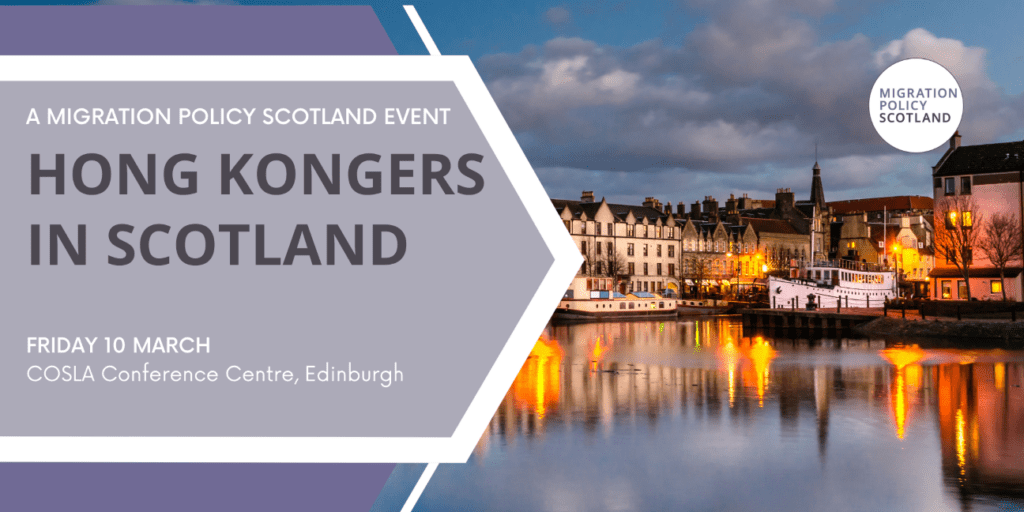
Blog by Gregory B. Lee, Professor of Chinese Studies at the University of St Andrews and Fellow of the Hong Kong Academy of the Humanities (HKAH) On 10 March 2023 Migration Policy Scotland held its first hybrid event. Focused on the Hong Kong BN(O) route that opened on 31st January 2021 this event brought together […]
Perspective: MPS Event on Windrush Schemes in Scotland

Blog by Rebecca Kay, MPS Senior Researcher The Windrush scandal has negatively impacted the lives of tens of thousands of people across the UK. This has been well publicised in the media and in public life, but its extent and impacts in Scotland are less well understood. In England, law clinics, grassroots advocacy organisations, funding […]
Perspective: MPS Event on Rural Lives: Retaining Diverse Populations
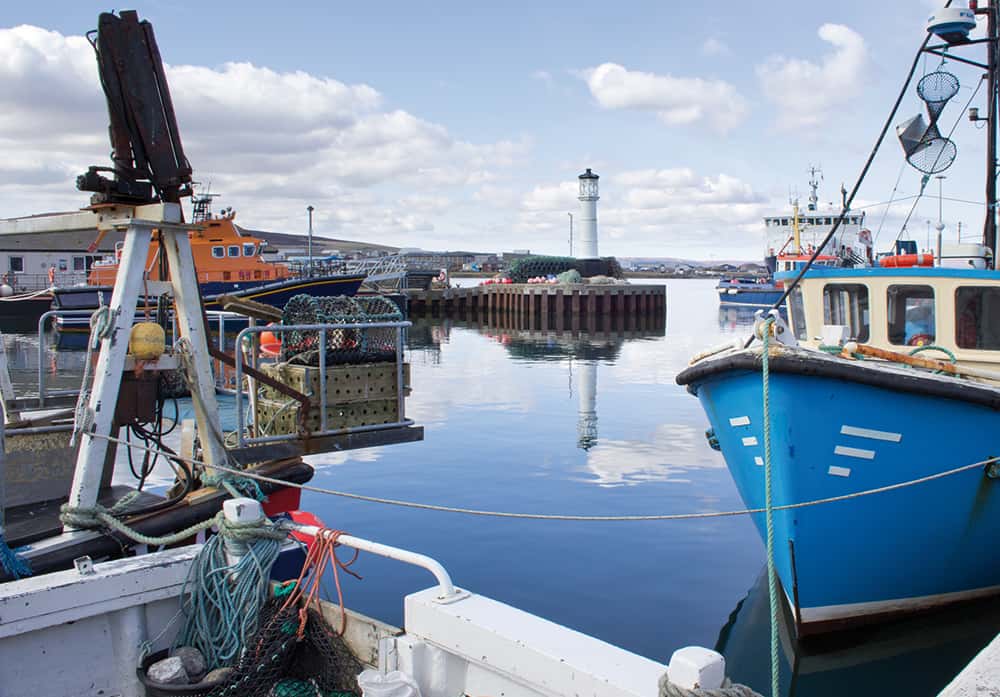
Blog by Rebecca Kay, MPS Senior Researcher On 30th September, in a week where the Scottish Parliament endorsed a proposal for a bespoke rural visa pilot scheme for Scotland, MPS organized an event bringing together experts from the worlds of policy-making, research, and economic and community development to discuss ways of attracting and retaining diverse […]
Perspective: MPS Event on EU Nationals in Scotland
Blog by Hana Davis, MPS Diversity in Policymaking Intern Migration Policy Scotland facilitates open and constructive dialogue about the complex and cross-cutting issues migration impacts. On Friday 16th September 2022, that took the form of this event: EU Nationals in Scotland: Experiences, Needs and Support. Hana Davis, MPS’ first ‘Diversity in Policymaking’ intern reflects on […]
Perspective: Reflections from MPS’ first Labour Migration Event

Blog by Dr Donald Macaskill, CEO, Scottish Care This blog was first published on the Scottish Care website. Migration and social care in Scotland: time to start again. I was fortunate to be able to attend a conference held by the organisation Migration Policy Scotland this past week. Migration Policy Scotland is a relatively new organisation, founded […]
Perspective: Reflecting on the MPS Lived Experience Discovery Session
Blog by Mariam Tuma, Participation and Development Officer, JustRight Scotland More and more organisations throughout the world are adopting a coproduction strategy which relies on the incorporation of Lived Experience Panels into decision-making and organisational structure. The idea is that, by including the voices of those who organisations serve, organisations can make better informed decisions, […]